The Netherlands is a blueprint of vegetable production for Europe
The Netherlands naturally has poor soil, and most of the country is prone to flooding. Yet they are the agricultural powerhouse of Europe. Despite having roughly a third of the UK’s crop area, the Netherlands is the second largest exporter of fruit & veg in value terms, behind only the US. Its exports amount to €11.3bn (though it still imports €7.6bn worth, the majority being fruit).
The key to their success has been investment in the latest agricultural technology. Dutch fields are monitored with drones and soil sensors, which allows them to optimise water and fertiliser use, minimise disease and maximise yields. The Dutch produce high quantities of vegetables year-round using hi-tech greenhouses. In 2023, the country had 4100 hectares of land under greenhouses dedicated to tomatoes, peppers, cucumbers and aubergines alone. With climate control systems, energy-efficient lighting, and hydroponic techniques, they create ideal growing conditions. Some of these greenhouses even have smart lights that dial down during peak electricity hours to minimise electricity costs, and experimental glass that keeps heat in better.
UK food and nutrition security sorely needs a high tech horticultural sector that invests in automation and energy efficiency. This would go a long way to unblocking the two key bottlenecks in UK vegetable production; high energy costs and labour shortages. The UK should import Dutch agricultural methods, not just it's products.
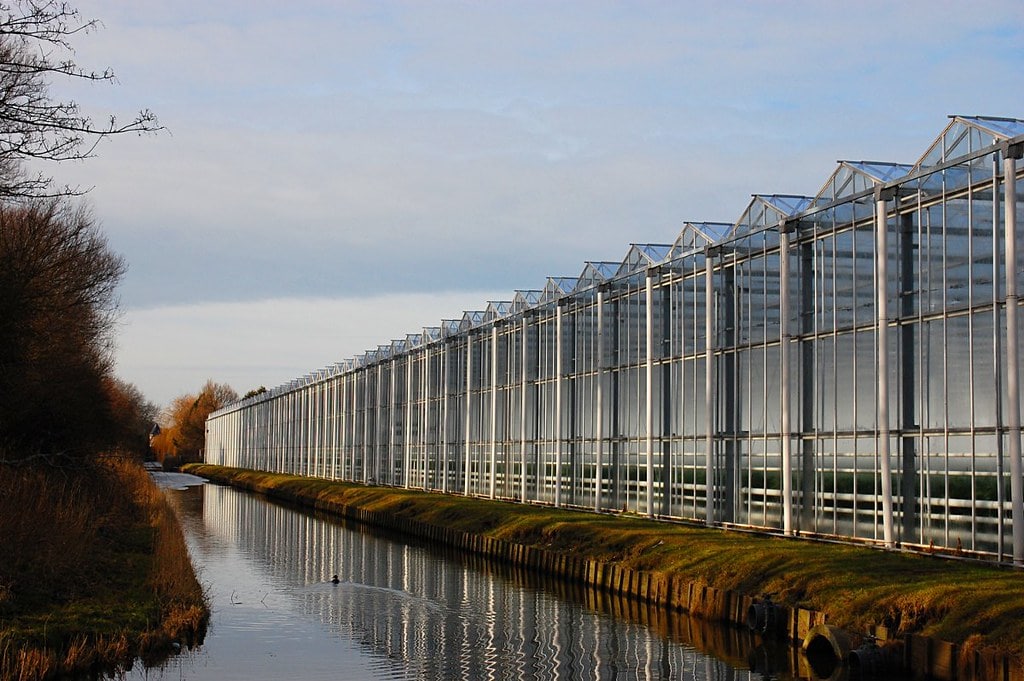
Greenhouses in The Netherlands – Photo by Colin Brace, flickr