Statharas and Zeng, 2023
Animal welfare matters 2023 state of SE asia
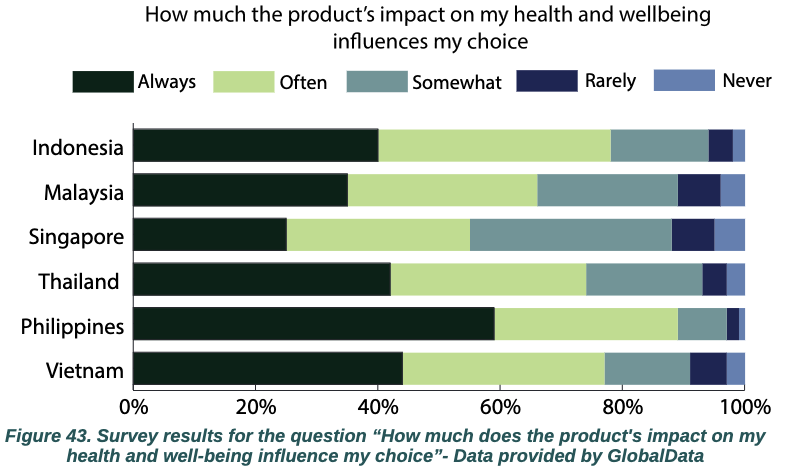
- Healthier Diets - Replacing processed foods, red meat, and sugar with healthier alternatives.
- Fresh foods: Choosing quality products associated with freshness
- Safe and traceable sources: Requiring greater food safety and production validation measures
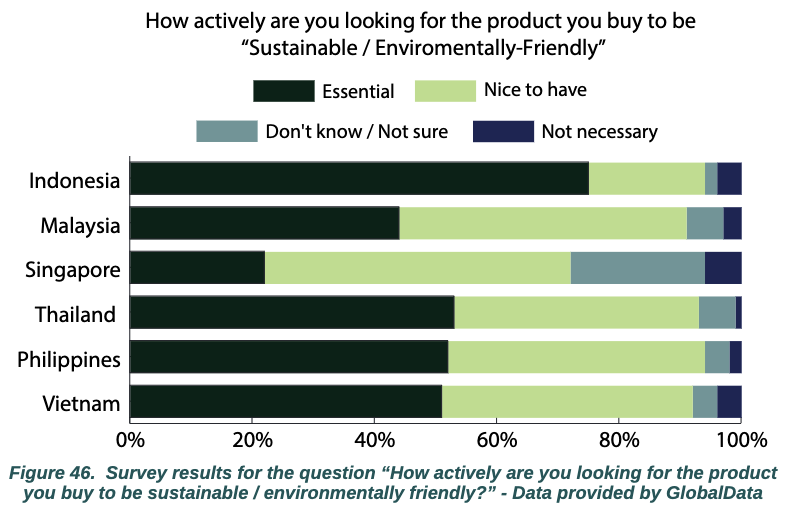
- Sustainable consumption: Tackling the environmental impact of food consumption
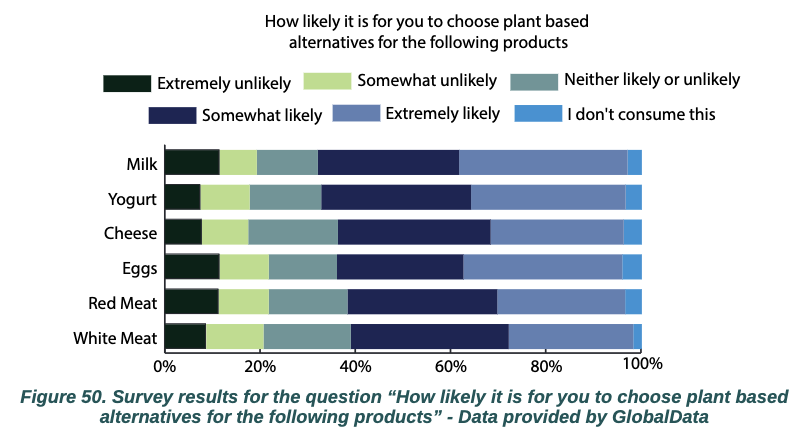
- Alternative Protein: Growing interest in innovative plant-based and cultured meat alternatives
- Online Purchasing: Increasing the use of e-commerce.
A survey from the World Economic Forum reported that 80% of respondents in Southeast Asia have altered their lifestyles to be more environmentally sustainable. consumers are trying to limit food waste and buy locally-produced food.
Ιn Indonesia for example, people tend to prefer uncooled, freshly slaughtered poultry meat sold in wet markets and by street vendors.
In Thailand, 86% of consumers have concerns about antibiotic use in farming – which often hides low welfare standards. 97% and 91% of Thai consumers think that the government should increase minimum welfare standards and restrict the use of antibiotics in farm animals respectively
In Malaysia research looking into the consumer’s intention to purchase environmentally friendly foods, ranked animal welfare quite high since it was an indicator of food safety, nutritional benefits and quality of food.[245] Similarly, in Vietnam, 75% of Vietnamese consumers said they had not heard of ‘animal welfare’. Yet 71% believed pigs should be kept in good hygienic conditions[161]
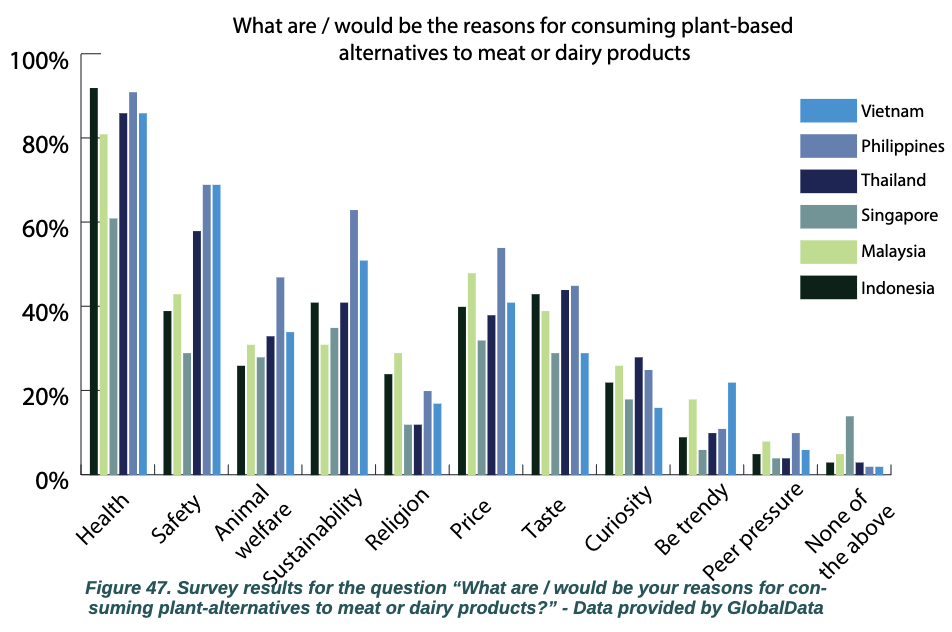
Vietnam and Thailand being the biggest markets for plant-based meat alternatives.
- Country specific meanings of what health and quality mean in terms of food
- Safety is a big one
- SE asia pays a lot of attention to traceability of food
- In some countries like Japan they're pretty healthy anyway so health angle may not land
- People may grow up seeing animals in cages and killed in front of them