Li, Yadav & Siddique, 2020
Currently, fewer than 150 crop species are commercially cultivated; 103 deliver up to 90% of the calories in the human diet, and only four (rice, wheat, maize, and potato) provide 60% of the human energy supply[1]
high rice consumption areas tend to have high levels of stunting and underweight, particularly in rural areas. In Laos, rice consumption is positively correlated with stunting (Figure 3). The Phongsaly and Huaphanh provinces—where rice constitutes 43 and 52.2% of the diet, respectively—have high levels of all three malnutrition indicators (stunting, wasting, and underweight)
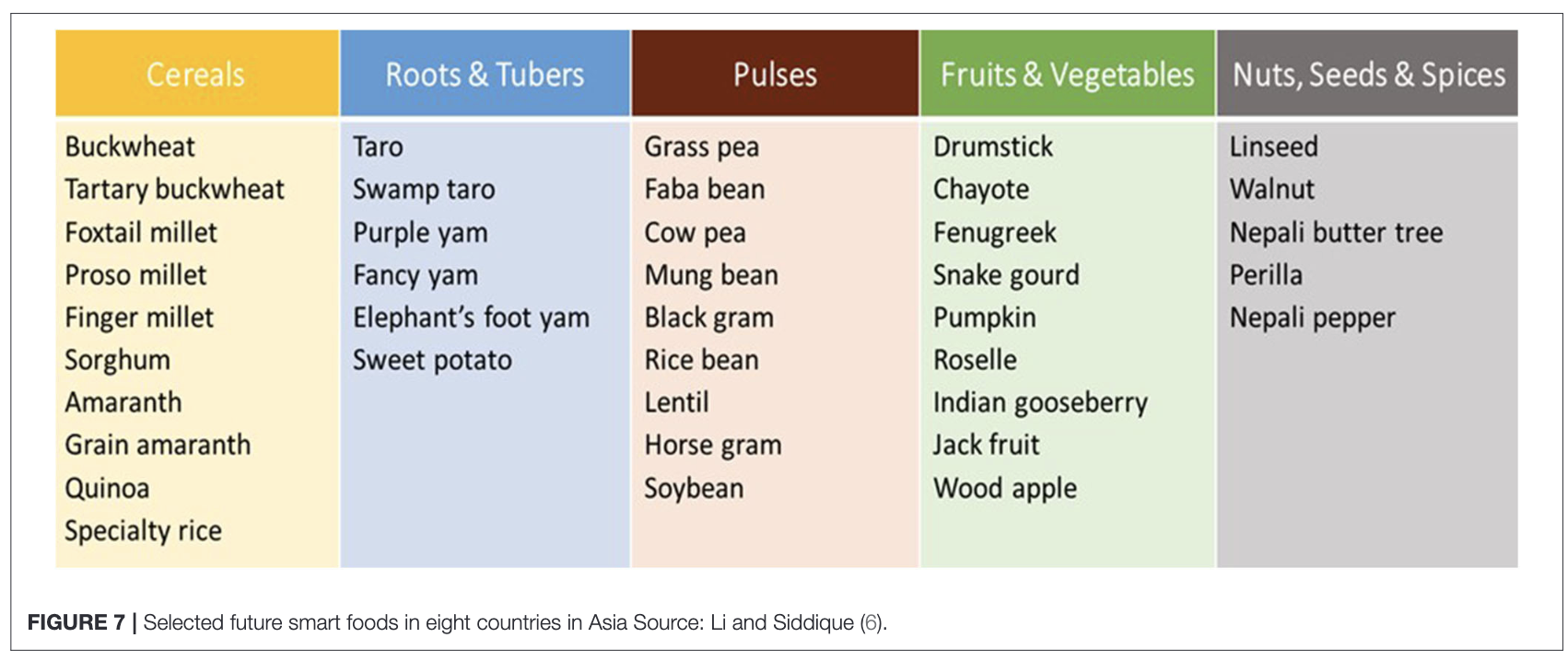
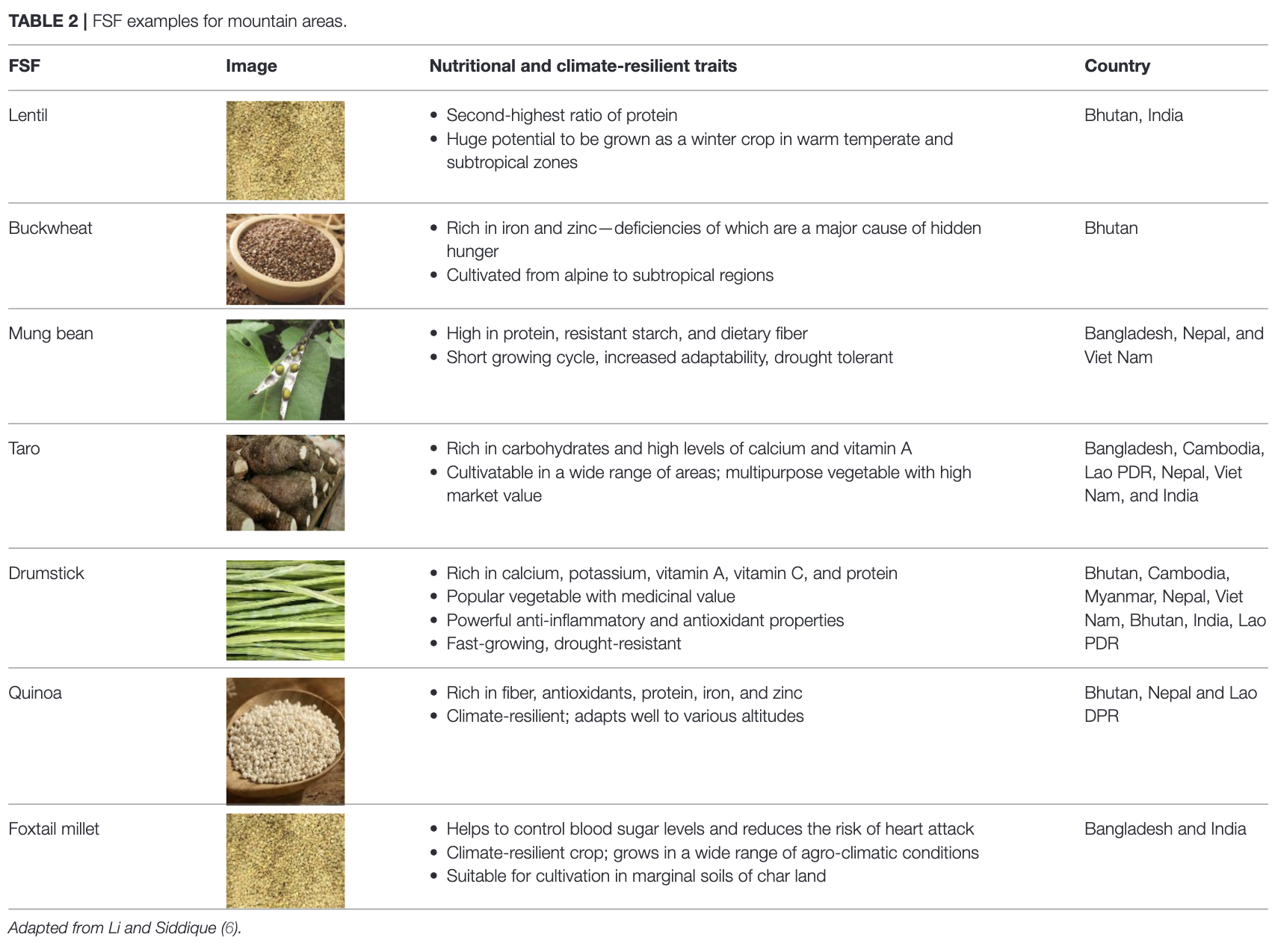
Given the multidimensional benefits that NUS offer, and considering that not all NUS are nutrient-dense or climate-resilient, the FAO, in collaboration with national and international partners, under its Regional Initiative on Zero Hunger (RI-ZH), launched a Future Smart Food (FSF) Initiative to support countries in the identification of NUS with high potential to be integrated into agricultural and food systems.
Reference
Bioversity International. Mainstreaming agrobiodiversity in sustainable food systems: Scientific Foundations for an Agrobiodiversity Index. Rome: Bioversity International (2017). ↩︎